I’ve been an AirPods user for the last four years, and one of the things that makes it genuinely hard to leave behind is the seamless, almost magical pairing experience across devices. Open an AirPods case near your iPhone, and a pop-up appears within seconds. Switch to your Mac and the audio follows.
However, the experience is limited only to Apple devices. Doesn’t matter whether you have one of the coolest pieces of tech on the market right now; if it’s not Apple, it won’t get the same treatment. However, that might change for the Meta Quest or the Ray-Ban Meta glasses, thanks to pressure from the EU.

So what exactly is Apple planning here?
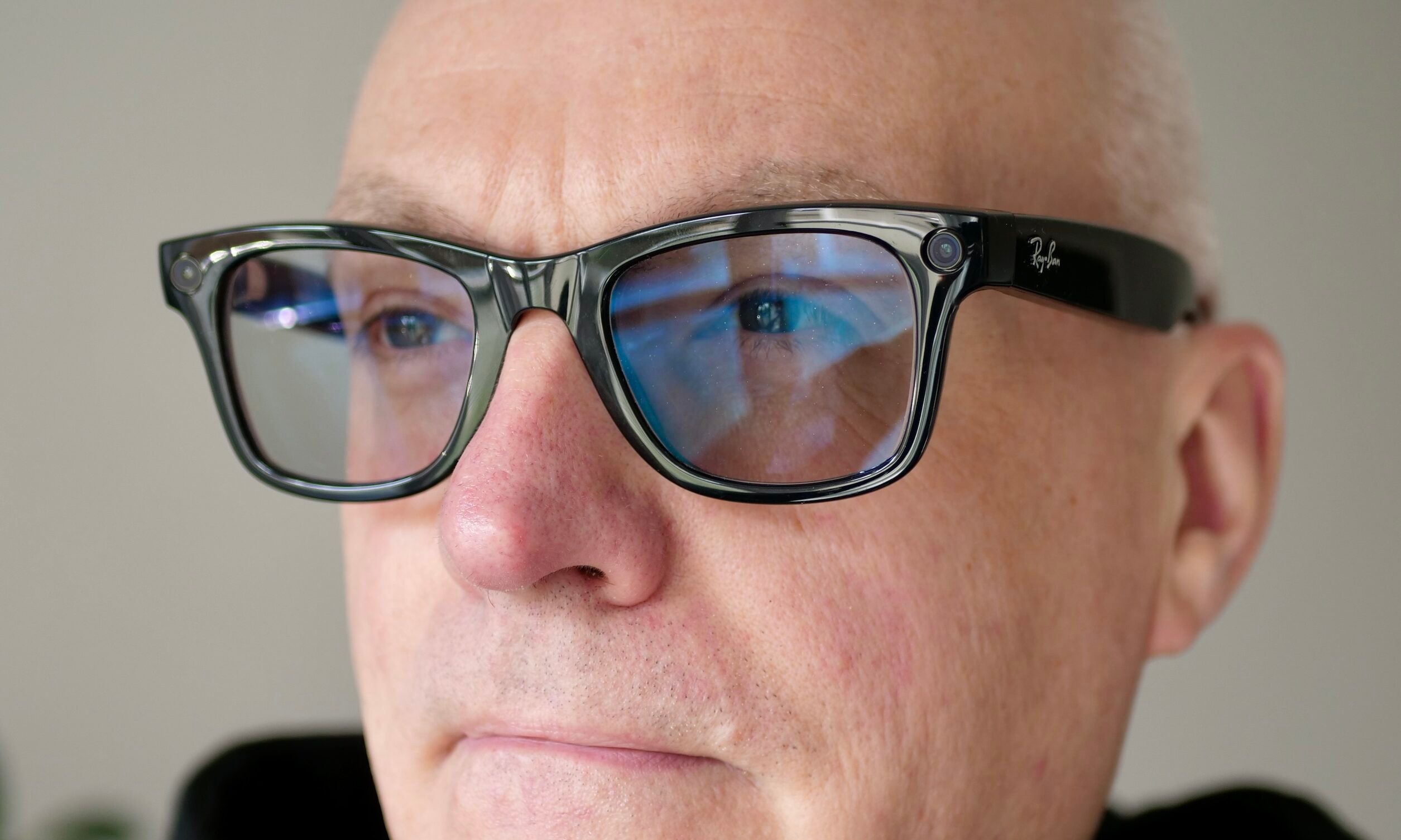
Apple’s EU Interoperability request page reveals the company is developing a new API built on AccessorySetupKit and Proximity Pairing. In simpler words, the API will allow third-party accessories, including Meta’s Ray-Ban smart glasses and Quest headsets, to pair seamlessly with an iPhone(a request that Meta filed in October 2025).
Once paired, the device should also appear on all your Apple devices automatically, without needing to pair them manually. No re-pairing, no extra prompts. Just the same seamless experience AirPods users have had for years.
Apple told Meta on February 4 that it plans to share cryptographic session keys on a per-accessory, one-time-consent basis. Furthermore, development is expected to wrap by spring 2027, with shipping beginning shortly after, likely in a future iOS update, with iOS 27.4 as the tentative target (via MacRumors).

Will this work outside the EU?
Not yet, and that’s where it gets complicated, because Meta has a real objection. Adopting Apple’s AccessorySetupKit would force the company to abandon Core Bluetooth, which is its go-to pairing mechanism outside Europe.
Meta asked Apple to decouple the two, but unfortunately, Apple declined, while noting that global expansion is “something we are still considering.” For now, this is an EU-only move driven by the Digital Markets Act. If Apple eventually decouples the two, there’s a good chance that the feature could go global.
Until then, it could be a European exclusive with interesting potential. To me, it looks like a gatekeeping technique for Apple that it doesn’t want to let go of, and I get it. The seamless pairing experience is what creates an unfair advantage for Apple hardware on iPhone.
Why is Apple so reluctant?
And if you didn’t already know, Apple is reportedly working on a pair of smart glasses of its own, expected to arrive by the end of 2027. Those, like all the other Apple products, will ideally offer users all the Continuity features Apple devices are known for. It could be transitioning between audio from an iPhone to a MacBook, or using them with an iPad.
For Apple, decoupling AccessorySetupKit and Core Bluetooth would mean giving away the iconic experience it has safeguarded for years.
From where I’m seeing this, the company might have to comply in the EU, but an AirPods-like pairing experience for Meta Glasses, or any other device for that matter, might not show up globally.